
















The cowboy hat is one of the most iconic pieces of American headwear -- but not all cowboy hats are the same. From the crown crease to the brim shape to the material, small differences define each style and the look it creates. This guide breaks down the main types of cowboy hats and how to choose the right western hat for you.
The Anatomy of a Cowboy Hat
Every cowboy hat comes down to two main elements: the crown, the part that sits over your head, and the brim, the edge that shades your face. The way the crown is creased and the brim is shaped decide whether a hat reads as classic, rugged, dressy, or built for the rodeo.
Cowboy Hat Crown Styles
The crown crease is the single biggest factor in a cowboy hat's look. Here are the most common shapes, with examples to shop.
Cattleman
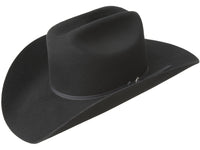
The most classic and versatile crease, with a center dent and two shallow side dents. A safe, all-purpose choice that suits nearly everyone.

Shop the Bailey Western Lightning 4X Cowboy Hat
Gus
A sloped crown that sits lower in front and taller in back, made famous by Lonesome Dove. Rugged, vintage, and full of character.

Shop the Bailey Western Clayton 4X Wool Cowboy Hat
Pinch Front
Pinched at the front into a teardrop shape for a slimmer, more modern profile. Popular for both western and everyday wear.

Shop the Bailey Western Cavalry II Hat
Gambler
A rounded, oval crown paired with a wide, flat brim. A relaxed, festival-friendly favorite.

Shop the Bailey Joker Gambler Hat
Open Crown
Sold un-creased so you, or a hatter, can shape the crown exactly how you like it.

Shop the Bailey 20X Stellar Open Crown Hat
Brick
A flat-topped, boxy crown for a bold, distinctive look.

Shop the Bullhide Double Kicker 8X Cowboy Hat
Cowboy Hat Materials
Material sets the season, durability, and price of a cowboy hat:
- Wool felt -- an affordable, everyday felt that is great for cooler weather and first-time buyers.
- Fur felt -- made from rabbit or hare fur for a finer finish, better water resistance, and longer life. Premium fur felts use beaver fur.
- Straw -- breathable and built for spring and summer. Shantung, palm, and seagrass are common weaves.
- Leather -- rugged and casual, popular for outback and trail-ready styles.
You will often see an X rating on felt and straw hats, like 4X, 10X, or 100X. The higher the number, the finer the material and tighter the weave, and usually the higher the price. It is a guide to quality within a single brand, not a universal standard across makers.
Brim Shapes
Cowboy hat brims typically run from about 3.5 to 4.25 inches wide. The way the brim is shaped changes the whole attitude of the hat -- from a dramatic, rolled cattleman curl to the flat, no-nonsense brim of a cutter or rodeo hat. Many hats can be steamed and re-shaped to adjust the brim to your taste.
How to Choose a Cowboy Hat
- By use -- felt for dress and cold weather, straw for summer and outdoor work, leather for the trail.
- By face shape -- a wider brim balances a rounder or fuller face, while a taller crown adds length. Keep the brim roughly as wide as your shoulders for a balanced look.
- By fit -- always start with the right size. See our hat sizing guide to measure your head and find your size.
Shop Cowboy & Western Hats
Ready to find yours? Browse our full range of cowboy hats, or shop by brand:
Cowboy Hat FAQ
What is the most popular cowboy hat style?
The cattleman crease is the most popular and versatile cowboy hat style, with a center dent and two side dents that suit almost any face and occasion.
What does the X rating on a cowboy hat mean?
The X rating indicates the quality and fineness of the felt or straw. A higher X generally means finer material and a tighter weave, though the scale varies between brands.
Should I choose felt or straw?
Choose felt for fall and winter or a dressier look, and straw for spring and summer or hot-weather wear. Many people own one of each.
How do I know my cowboy hat size?
Measure the circumference of your head and match it to a size chart. Our hat sizing guide walks you through it in three easy steps.


