















The top hat — sometimes written tophat — is the tall, flat-topped, cylindrical hat that has stood for formality and occasion for nearly two centuries. It's the hat of weddings and black-tie, of Abraham Lincoln and the Mad Hatter, of magicians, ringmasters, and steampunk cosplayers alike. If you've ever wondered what actually counts as a top hat, how the styles differ, and when it's right to wear one, here's the plain-English guide.
A short history of the top hat
The top hat emerged in late-18th and early-19th-century Europe and quickly became the standard headwear for gentlemen throughout the 1800s. Early versions were made of lustrous silk plush or brushed beaver felt, worn with morning dress by day and full evening dress by night. Through the Victorian era it was simply what a well-dressed man wore.
By the early 20th century, softer hats — the fedora, the homburg, the bowler — took over everyday wear, and the top hat retreated to the most formal occasions. But it never disappeared. Today it lives on in weddings, state and diplomatic events, horse-racing enclosures like Royal Ascot, theater and film, and a thriving world of costume and steampunk style.
The main types of top hat
Not every top hat is the same. These are the styles worth knowing:
- The stovepipe — the tallest style, with high, straight sides and a flat top. This is the Abraham Lincoln silhouette, and the go-to for a period or costume look.
- The dress (English) topper — a slightly shorter, elegantly proportioned top hat with a subtly curved brim. The classic wedding-and-formal choice.
- The collapsible opera hat — also called a gibus, built with a spring mechanism so it folds flat to carry under the arm at the theater.
- The Mad Hatter / costume top hat — an exaggerated shape with a wider, flared crown and an oversized band, made for character looks and cosplay.
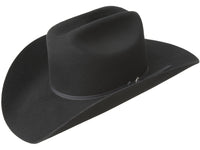
- The Western tall topper — a rugged felt take on the tall hat, a favorite for frontier, gambler, and stage looks.
Get the look: top hats we carry
Whatever style you're after, here are the pieces that anchor each look.
Shop the look:
-
 Scala Damon Premium Wool Felt English Topper — the classic dress topper for weddings and formal wear, in black plus six colors for costume use.
 -
 Bailey Western Big Zwey Top Hat — a tall, straight-sided felt topper with true stovepipe height for a Lincoln or frontier look.
 -
 Scala Mad Hatter Top Hat — a wool-felt Mad Hatter top hat in black or grey, built for costume and cosplay.
 -
 Renegade Soft Wool Vivienne Top Hat — a soft-wool topper that dresses up a man's or woman's outfit, in black, tan, and hot pink.
When should you wear a top hat?
A top hat is a statement, so it belongs with the occasion. The natural fits are formal weddings and black-tie events (reach for a black dress topper), costume and theater — Lincoln, ringmaster, magician, Victorian gentleman — and steampunk and cosplay, where a decorated wide-crown style shines. For everyday wear, a fedora or homburg is the easier call; the top hat is for when you want to make an entrance.
How to choose and fit a top hat
Start with the occasion: a curved-brim dress topper for formal events, a tall stovepipe for costume, a flared crown for character looks. Then get the fit right — a top hat should sit level and snug without pressing. Measure with our hat sizing guide before you buy.
Ready to find yours? Browse the full top hat collection, or explore related formal styles in our homburg and derby & bowler collections at Fedoras.com.


